
Table of Contents
Introduction
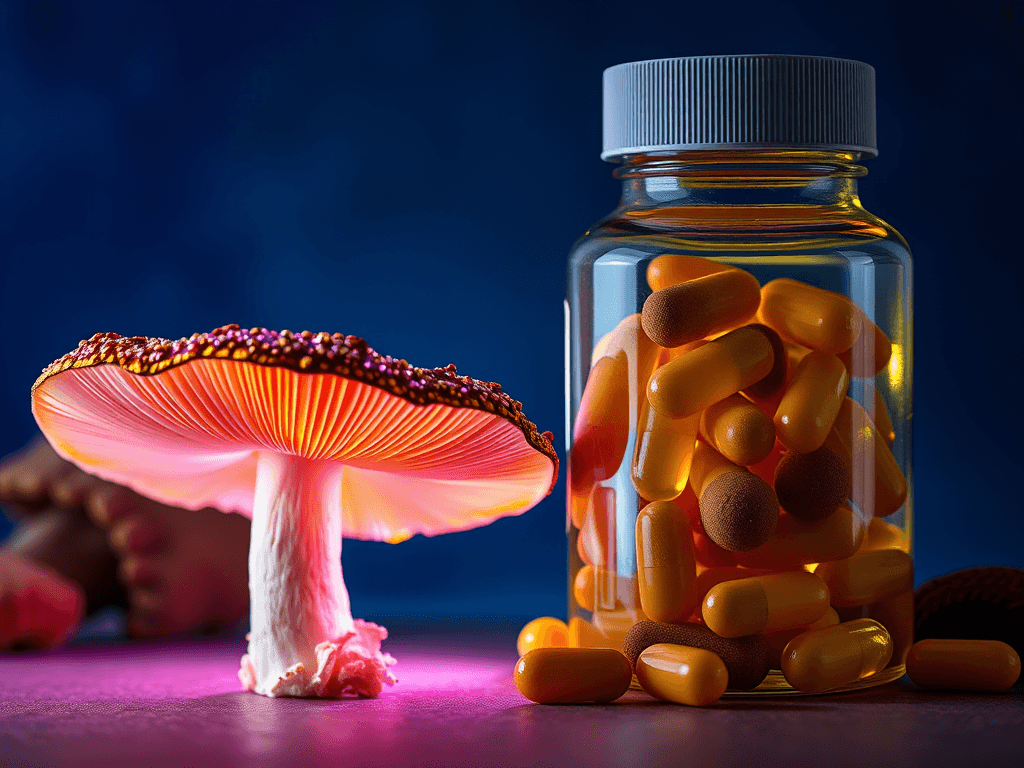
In recent years, mushrooms have become one of the fastest-growing trends in the health and wellness industry. From psychedelic experiences to functional wellness products, people are increasingly searching for answers about Magic Mushroom Vs Mushroom Supplements and how they differ.
While both come from fungi, their effects, purposes, safety profiles, and legal status are dramatically different. Magic mushrooms contain psychoactive compounds that alter perception and consciousness, while mushroom supplements are widely used for immune support, brain health, and overall wellness.
The growing interest in Magic Mushroom Vs Mushroom Supplements has sparked curiosity among health enthusiasts, researchers, and everyday consumers. Many people wonder:
- Are magic mushrooms safe?
- Are mushroom supplements effective?
- Which one provides real health benefits?
- Can mushroom supplements replace magic mushrooms?
Understanding Magic Mushroom Vs Mushroom Supplements is essential before choosing which option aligns with your goals. Magic mushrooms can cause hallucinogenic experiences because they contain psilocybin, while functional mushroom supplements typically contain bioactive compounds like beta-glucans, antioxidants, and adaptogens that support long-term health.
This comprehensive guide explores Magic Mushroom Vs Mushroom Supplements in depth. We will examine their chemical composition, benefits, risks, legal status, and how each works in the body. By the end of this article, you will have a clear understanding of Magic Mushroom Vs Mushroom Supplements and which one might suit your needs.
What Are Magic Mushrooms?
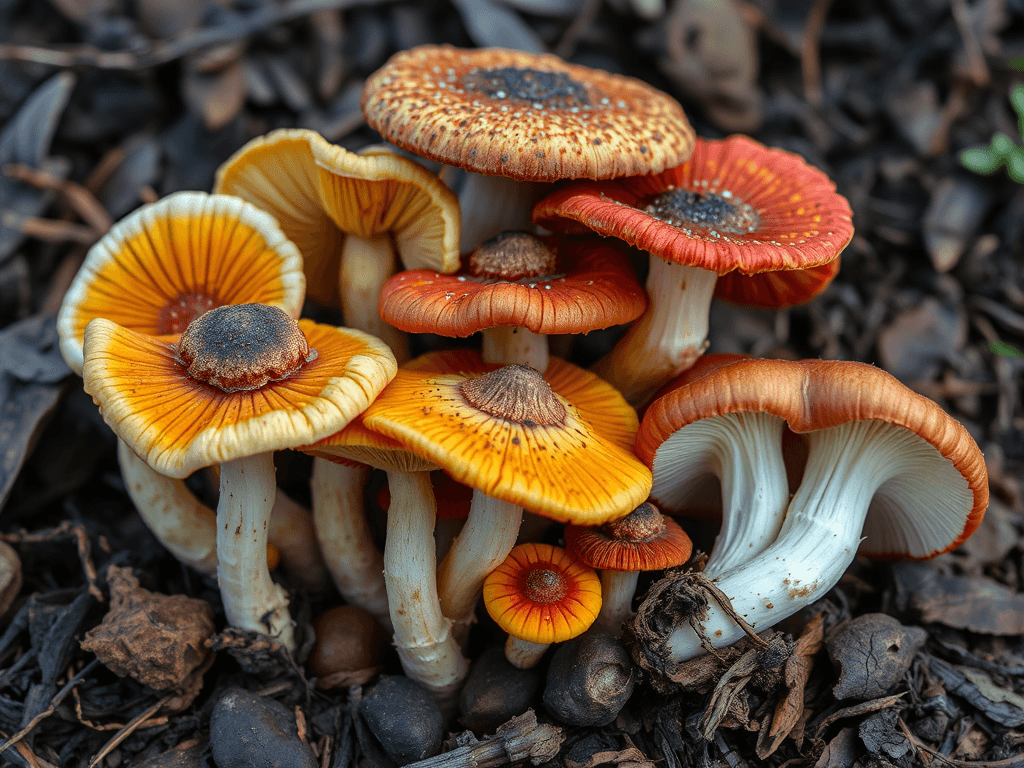
Magic mushrooms are a group of fungi that contain the psychoactive compound psilocybin, which produces hallucinogenic effects when consumed.
Psilocybin converts into psilocin in the body and interacts with serotonin receptors in the brain. This interaction can cause changes in perception, mood, and cognition.
Because of these effects, magic mushrooms are commonly associated with psychedelic experiences, spiritual exploration, and experimental mental health therapies.
When discussing Magic Mushroom Vs Mushroom Supplements, the most important distinction is that magic mushrooms are psychoactive.
Common Types of Magic Mushrooms
Some of the most well-known psychedelic mushroom species include:
- Psilocybe cubensis
- Psilocybe semilanceata
- Panaeolus cyanescens
- Gymnopilus species
These mushrooms are primarily used recreationally or in experimental therapeutic environments.
Effects of Magic Mushrooms
Typical effects include:
- Visual hallucinations
- Altered perception of time
- Emotional intensity
- Deep introspection
These effects can begin within 30–60 minutes and last several hours.
However, because of these strong psychological effects, magic mushrooms are not designed for daily wellness use.
This is why the comparison of Magic Mushroom Vs Mushroom Supplements is so important.
What Are Mushroom Supplements?
Mushroom supplements are non-psychoactive products made from medicinal or functional mushrooms.
Unlike magic mushrooms, these supplements do not contain psilocybin and therefore do not produce hallucinations.
They are typically sold as:
- Capsules
- Powders
- Extracts
- Gummies
- Coffee blends
Functional mushroom supplements are widely used in modern wellness routines.
Popular Medicinal Mushrooms
Common examples include:
- Lion’s Mane
- Reishi
- Chaga
- Cordyceps
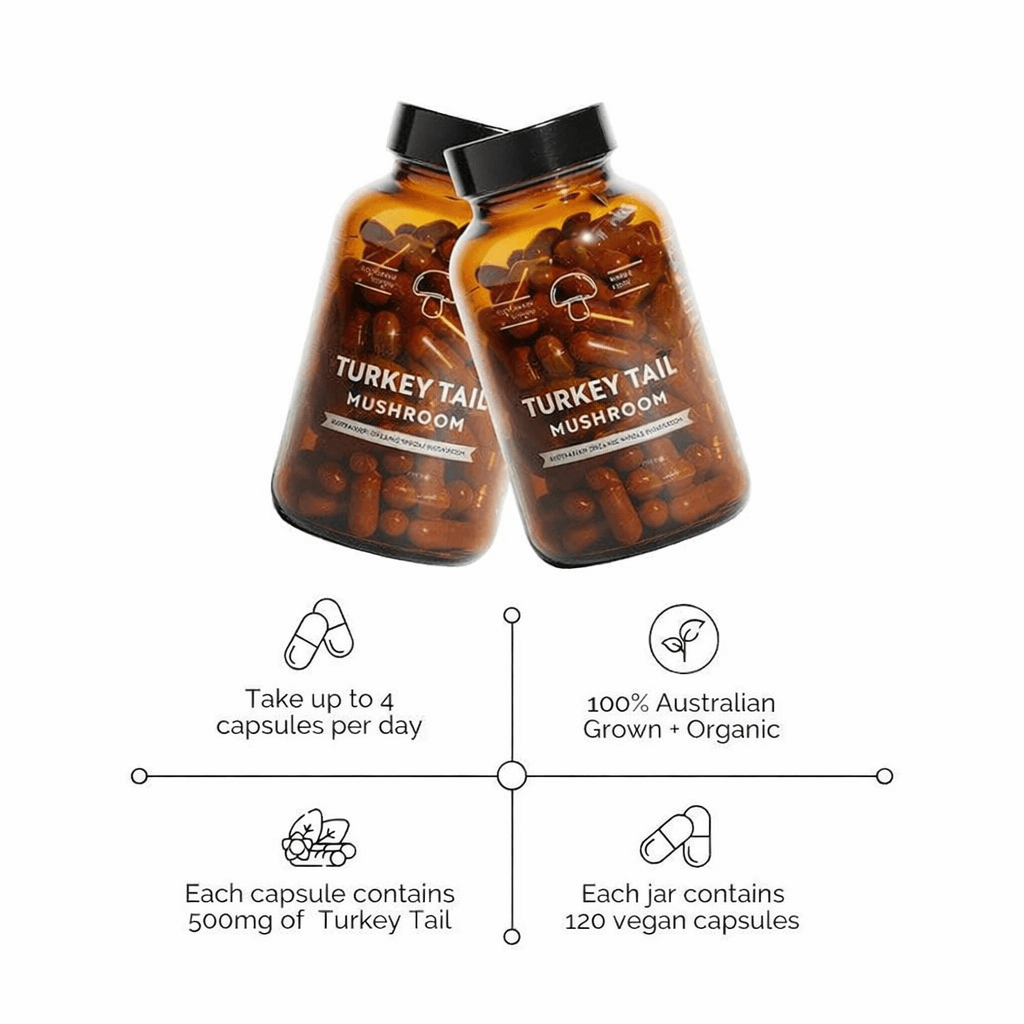
- Turkey Tail
- Shiitake
These mushrooms contain compounds such as beta-glucans and antioxidants that support immune health, brain function, and inflammation control.
When analyzing Magic Mushroom Vs Mushroom Supplements, the key difference is that supplements focus on long-term wellness, not psychedelic experiences.
Magic Mushroom Vs Mushroom Supplements: Key Differences
The debate around Magic Mushroom Vs Mushroom Supplements centers on their purpose, safety, and biological effects.
Below are the main differences.
1. Active Compounds
Magic mushrooms contain:
- Psilocybin
- Psilocin
These compounds interact with serotonin receptors and produce psychedelic effects.
Mushroom supplements contain:
- Beta-glucans
- Polysaccharides
- Antioxidants
- Triterpenes
These compounds support immunity and cellular health.
This chemical distinction is one of the biggest factors in Magic Mushroom Vs Mushroom Supplements.
2. Effects on the Brain
In the comparison of Magic Mushroom Vs Mushroom Supplements, brain effects are dramatically different.
Magic mushrooms:
- Alter perception and mood
- Create hallucinations
- Affect serotonin pathways
Mushroom supplements:
- Support cognitive function
- Promote nerve growth
- Improve memory and focus
For example, Lion’s Mane may stimulate nerve growth factor, supporting brain health over time.
3. Purpose of Use
Another important factor in Magic Mushroom Vs Mushroom Supplements is intent.
Magic mushrooms are often used for:
- Psychedelic experiences
- Spiritual exploration
- Experimental therapy
Mushroom supplements are used for:
- Daily health support
- Immunity
- Brain health
- Energy
Because of this difference, mushroom supplements are considered safe for regular use.
4. Safety Profile
The safety differences between Magic Mushroom Vs Mushroom Supplements are significant.
Magic mushrooms can cause:
- Anxiety or panic
- Confusion
- Risky behavior
- Psychological distress
In some cases, psychedelic use has also been associated with cardiovascular effects.
Mushroom supplements, on the other hand, are generally safe when used appropriately.
5. Legal Status
Legal status is another major point when comparing Magic Mushroom Vs Mushroom Supplements.
Magic mushrooms are illegal or restricted in many countries due to their psychoactive properties.
Mushroom supplements are legal and widely available in health stores and online retailers.
This legal distinction plays a large role in the Magic Mushroom Vs Mushroom Supplements discussion.
Health Benefits of Mushroom Supplements
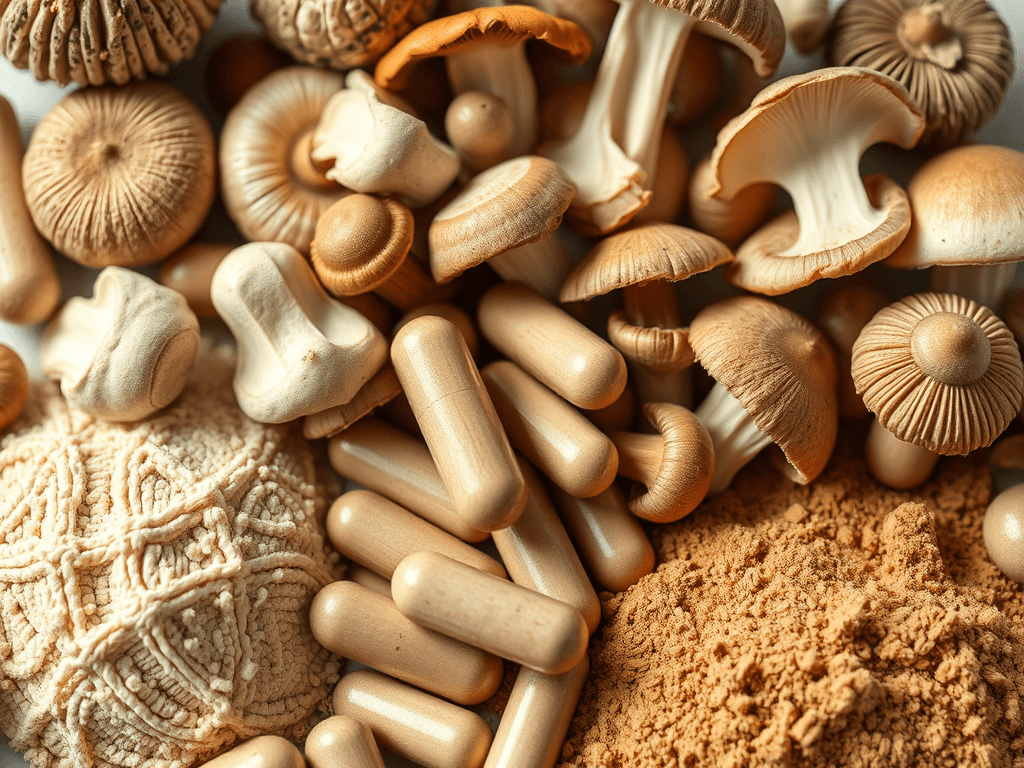
When evaluating Magic Mushroom Vs Mushroom Supplements, many health experts emphasize the advantages of medicinal mushrooms.
1. Immune Support
Many medicinal mushrooms contain beta-glucans that stimulate immune cell activity.
Turkey Tail mushrooms have been shown to support immune function and reduce inflammation.
2. Brain Health
Lion’s Mane mushrooms are known for supporting cognitive performance and nerve growth.
3. Antioxidant Protection
Mushrooms contain antioxidants like ergothioneine that help prevent cellular damage.
4. Energy and Endurance
Cordyceps mushrooms may improve oxygen uptake and athletic performance.
These benefits make mushroom supplements appealing for long-term wellness routines.
Potential Benefits of Magic Mushrooms
Although controversial, researchers are exploring possible therapeutic uses of magic mushrooms.
Some studies suggest psilocybin may help treat:
- Depression
- PTSD
- Anxiety disorders
Early research indicates that psilocybin may alter neural pathways associated with mood regulation.
However, these treatments are still experimental and typically conducted under professional supervision.
This distinction is essential when comparing Magic Mushroom Vs Mushroom Supplements.
Risks and Side Effects
Understanding the risks is crucial in the Magic Mushroom Vs Mushroom Supplements debate.
Magic Mushroom Risks
Potential risks include:
- Psychological distress
- Hallucination-induced panic
- Impaired judgment
Mushroom Supplement Risks
Most mushroom supplements are safe but may cause:
- Mild digestive issues
- Allergic reactions in rare cases
Always consult a healthcare professional before starting supplements.
Which Is Better: Magic Mushroom Vs Mushroom Supplements?
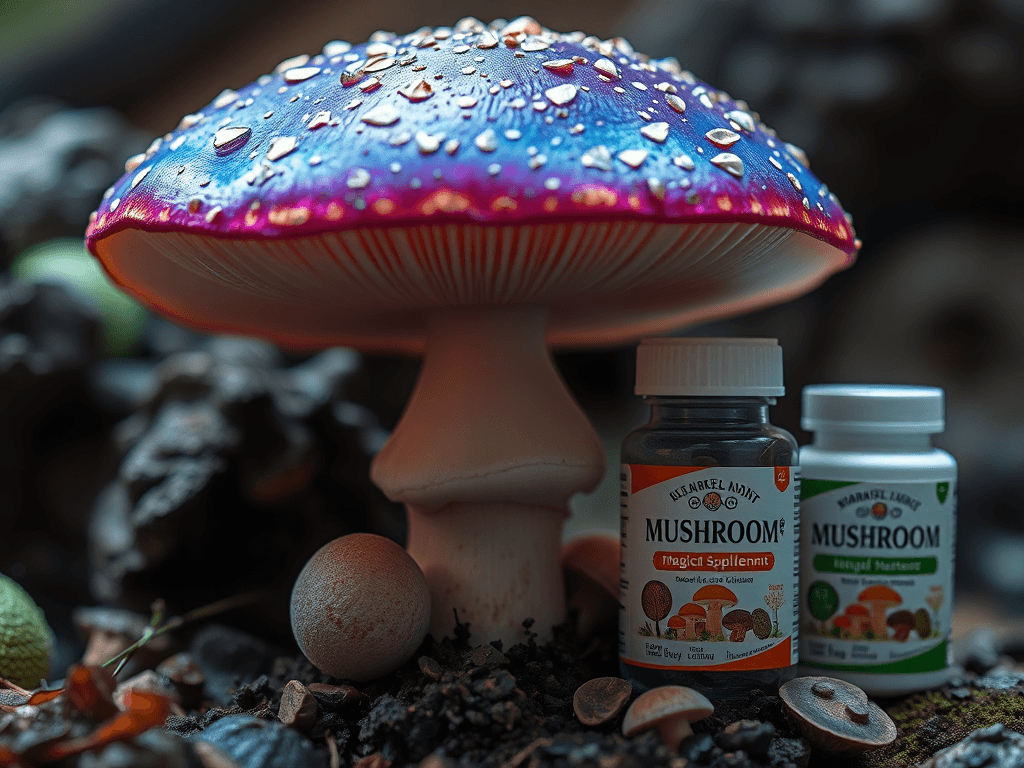
The answer depends on your goals.
Choose mushroom supplements if you want:
- Daily wellness support
- Cognitive enhancement
- Immune health
- Legal and safe products
Magic mushrooms may be explored only in controlled therapeutic settings.
For most people, mushroom supplements are the practical and accessible option.
How to Choose High-Quality Mushroom Supplements
If you are leaning toward mushroom supplements in the Magic Mushroom Vs Mushroom Supplements comparison, consider these factors:
Look for:
- Organic ingredients
- Fruiting body extracts
- Third-party testing
- High beta-glucan content
High-quality supplements provide better potency and effectiveness.
Future of Mushroom Research
The conversation around Magic Mushroom Vs Mushroom Supplements continues to evolve as research expands.
Scientists are studying both categories:
- Functional mushrooms for long-term health
- Psilocybin for mental health therapies
The next decade may bring major breakthroughs in mushroom-based medicine.
Conclusion
The debate around Magic Mushroom Vs Mushroom Supplements highlights the diverse potential of fungi.
Magic mushrooms contain psilocybin and produce psychedelic experiences, making them controversial and heavily regulated.
Mushroom supplements, however, offer a safe and legal way to harness the health benefits of medicinal mushrooms.
For most people seeking wellness, cognitive support, and immune health, mushroom supplements are the clear winner in the Magic Mushroom Vs Mushroom Supplements comparison.
As research continues, both forms of mushrooms may play important roles in the future of medicine and wellness.
Frequently Asked Questions (FAQ)
1. What is the main difference between Magic Mushroom Vs Mushroom Supplements?
The main difference is that magic mushrooms contain psilocybin, which causes hallucinations, while mushroom supplements are non-psychoactive and used for health benefits.
2. Are mushroom supplements safe?
Yes, most mushroom supplements are considered safe when taken according to recommended dosages.
3. Can mushroom supplements produce psychedelic effects?
No. Mushroom supplements do not contain psilocybin and therefore cannot produce psychedelic experiences.
4. Are magic mushrooms legal?
In many countries, magic mushrooms are illegal or restricted because of their psychoactive compounds.
5. Do mushroom supplements really work?
Research suggests medicinal mushrooms may support immune health, cognitive function, and antioxidant protection.

Leave a comment