
Table of Contents
Introduction
When it comes to gourmet wild mushrooms, few varieties are as prized as morels. Their honeycomb-like caps, rich umami flavor, and limited seasonal availability make them one of the most sought-after mushrooms in the culinary world. However, many people often wonder about the difference between fresh vs. dried morel mushrooms and which option is better for cooking, nutrition, and storage.
Understanding the differences between fresh vs. dried morel mushrooms can help chefs, home cooks, and food enthusiasts make the right choice depending on their recipe, budget, and availability. Fresh morels are celebrated for their delicate texture and earthy flavor, while dried morels offer a more concentrated taste and longer shelf life.
In this comprehensive guide, we will explore everything you need to know about fresh vs. dried morel mushrooms, including their taste differences, nutritional benefits, storage methods, cooking techniques, and how to choose the best option for your meals.
What Are Morel Mushrooms?
Morel mushrooms belong to the Morchella genus and are among the most recognizable wild mushrooms in the world. They are easily identified by their distinctive honeycomb-shaped caps and hollow interiors.
Morels grow naturally in forests, particularly during spring, often near elm, ash, and oak trees. Because they are difficult to cultivate commercially, most morels available on the market are foraged in the wild.
Their rarity and short growing season make them a premium ingredient in many cuisines, particularly in French and fine dining cooking.
For scientific nutritional data on mushrooms, you can refer to the USDA food database:
fdc.nal.usda.gov
Fresh vs. Dried Morel Mushrooms: Key Differences
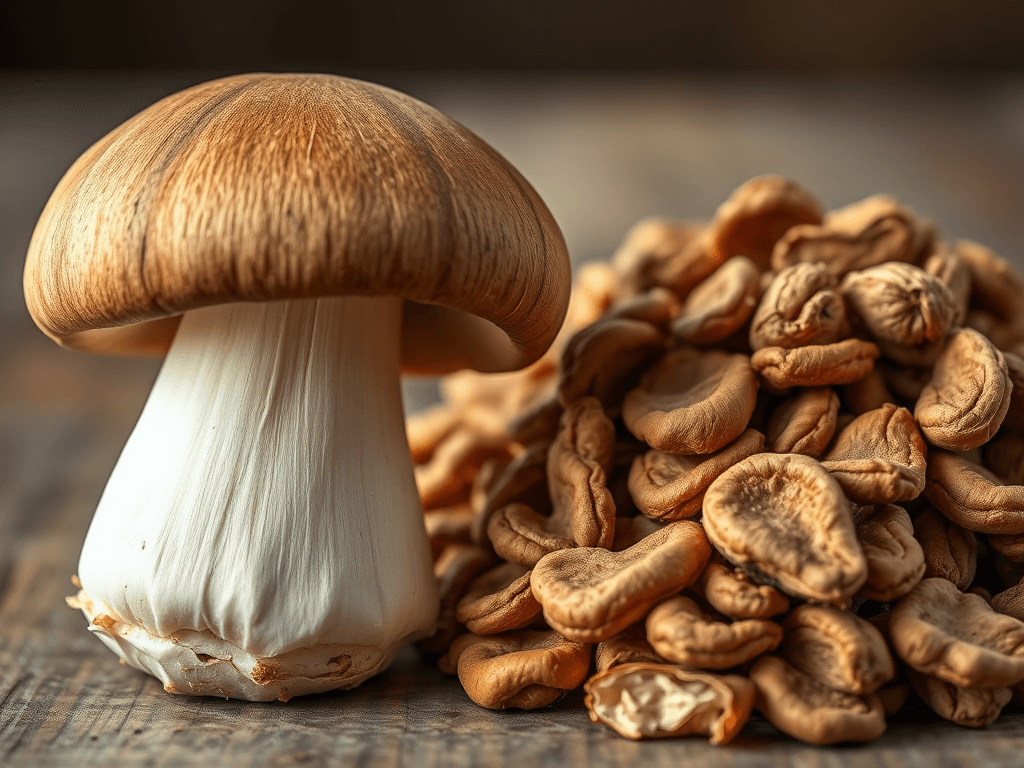
When comparing fresh vs. dried morel mushrooms, several factors come into play, including flavor, texture, shelf life, price, and convenience.
1. Flavor Profile
Fresh Morel Mushrooms
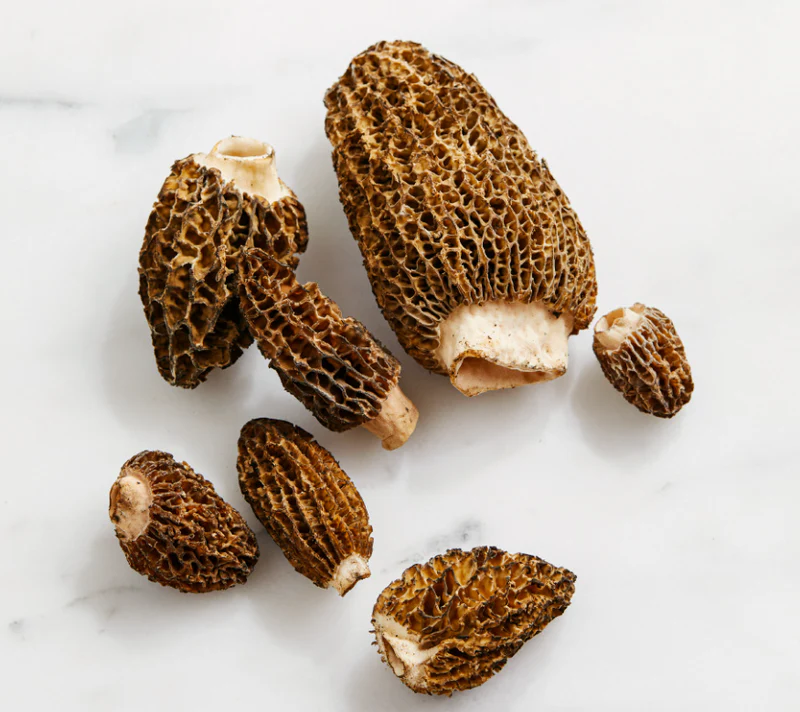
Fresh morels have a delicate yet earthy flavor with subtle nutty notes. Their taste is often described as:
- Mildly smoky
- Earthy
- Slightly nutty
- Buttery when cooked
Because fresh mushrooms still contain natural moisture, their flavor is lighter and more delicate.
Dried Morel Mushrooms
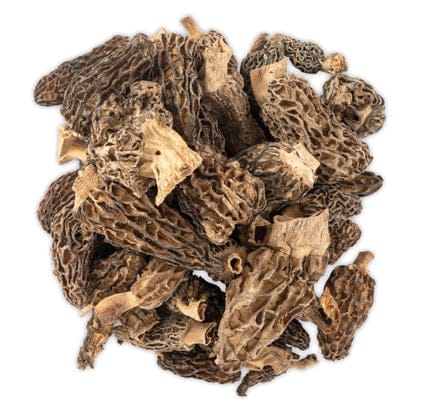
Dried morels have a much stronger and more concentrated flavor. The drying process intensifies the mushroom’s natural umami taste, making them perfect for sauces and broths.
Many chefs actually prefer dried morels for recipes that require a bold mushroom flavor.
Winner:
- Fresh for delicate dishes
- Dried for intense flavor
2. Texture Differences
Another major point when discussing fresh vs. dried morel mushrooms is texture.
Fresh Morels
Fresh morels are:
- Soft
- Slightly chewy
- Tender when sautéed
They absorb butter, cream, and sauces beautifully.
Dried Morels
Dried morels need to be rehydrated in warm water before cooking. Once soaked, they regain much of their original structure but tend to be slightly:
- Meatier
- Firmer
- More robust in texture
Many chefs appreciate this firmer bite in stews and risottos.
Nutritional Comparison: Fresh vs. Dried Morel Mushrooms
Morels are considered a nutritional powerhouse regardless of whether they are fresh or dried.
According to research from Harvard School of Public Health and nutrition studies, mushrooms contain important vitamins, minerals, and antioxidants.
Learn more about mushroom nutrition here:
https://www.hsph.harvard.edu/nutritionsource/food-features/mushrooms/
Below is a comparison of fresh vs. dried morel mushrooms nutritionally.
Protein Content
Morels contain plant-based protein that supports muscle repair and metabolism.
- Fresh morels contain moderate protein.
- Dried morels have a higher protein concentration per gram because moisture is removed.
Antioxidants
Morels contain antioxidants that help reduce oxidative stress and inflammation in the body.
Both fresh and dried varieties contain:
- Polyphenols
- Selenium
- Vitamin C compounds
These compounds may support immune health and cellular protection.
Vitamin D
One unique benefit of morel mushrooms is their natural vitamin D content, which helps support:
- Bone health
- Calcium absorption
- Immune function
Because dried mushrooms are more concentrated, dried morels often contain higher vitamin D levels per serving.
Fiber
Both fresh and dried morels provide dietary fiber that supports digestion and gut health.
Fiber benefits include:
- Improved digestion
- Balanced gut bacteria
- Reduced cholesterol levels
Shelf Life and Storage
A major factor when deciding between fresh vs. dried morel mushrooms is storage.
Fresh Morel Mushroom Shelf Life
Fresh morels are highly perishable.
Typical shelf life:
- Refrigerator: 5–7 days
- Paper bag storage is recommended
- Avoid airtight containers (they trap moisture)
Because fresh morels spoil quickly, they must be cooked soon after purchase.
Dried Morel Mushroom Shelf Life
Dried morels are incredibly long-lasting.
Typical shelf life:
- Pantry: 1–2 years
- Airtight container recommended
- Store in a cool, dark environment
This long shelf life is one of the biggest advantages when comparing fresh vs. dried morel mushrooms.
Price Comparison
Morel mushrooms are considered one of the most expensive edible mushrooms due to their rarity.
Fresh Morel Price
Fresh morels are expensive because:
- They are seasonal
- Hard to cultivate
- Mostly wild-foraged
Typical prices can range from:
$30 to $90 per pound, depending on supply
Dried Morel Price
Dried morels appear expensive per pound, but are actually cost-effective.
Why?
Dried mushrooms are lightweight and expand after soaking.
1 pound of dried morels can equal up to 8–10 pounds of fresh mushrooms after rehydration.
How to Rehydrate Dried Morel Mushrooms
If you choose dried mushrooms when comparing fresh vs. dried morel mushrooms, proper rehydration is essential.
Step-by-Step Guide
- Place dried morels in a bowl.
- Add warm water or broth.
- Soak for 20–30 minutes.
- Remove mushrooms gently.
- Strain the soaking liquid through a coffee filter.
Important tip:
The soaking liquid contains intense mushroom flavor and can be used in soups, sauces, or risotto.
Cooking with Fresh Morel Mushrooms
Fresh morels are versatile and pair beautifully with butter, herbs, and cream.
Sautéed Morels
The most popular method.
Steps:
- Clean mushrooms thoroughly.
- Slice in half.
- Sauté in butter with garlic.
- Add salt, pepper, and thyme.
This method highlights the natural flavor of fresh morels.
Morel Cream Sauce
Fresh morels make incredible sauces for:
- Steak
- Pasta
- Chicken
- Fish
Ingredients:
- Butter
- Shallots
- Fresh morels
- White wine
- Cream
Simmer until thick and aromatic.
Morel Mushroom Omelette
Morels pair beautifully with eggs.
Simply sauté fresh morels in butter and fold into a fluffy omelette with herbs and cheese.
Cooking with Dried Morel Mushrooms
Dried mushrooms work well in dishes requiring longer cooking times.
Morel Risotto
Dried morels add deep umami flavor to risotto.
Key ingredients:
- Arborio rice
- Rehydrated morels
- Mushroom broth
- Parmesan cheese
- Butter
Mushroom Soup
Dried morels produce a rich broth that makes excellent soups.
Simply simmer them with:
- Onions
- Garlic
- Cream
- Vegetable stock
Pasta and Sauces
Dried morels shine in slow-simmered sauces.
Try adding them to:
- Cream sauces
- Wine sauces
- Mushroom gravies
Which Is Better: Fresh vs. Dried Morel Mushrooms?
The answer depends on your needs.
Choose Fresh Morels If You Want:
- Delicate flavor
- Softer texture
- Seasonal gourmet dishes
- Quick cooking recipes
Choose Dried Morels If You Want:
- Stronger mushroom flavor
- Long shelf life
- Pantry convenience
- Cooking versatility year-round
Many chefs actually keep both fresh and dried morels in their kitchen.
Safety Tips for Eating Morel Mushrooms
Morels must always be cooked before eating.
Raw morels contain natural compounds that may cause stomach upset if consumed uncooked.
Important guidelines:
- Never eat raw morels
- Cook thoroughly
- Avoid consuming wild mushrooms unless properly identified
Where to Buy Quality Morel Mushrooms
You can find morels from several sources:
Farmers Markets
Local markets often sell fresh seasonal morels during spring.
Specialty Grocery Stores
High-end grocery stores frequently carry both fresh and dried morels.
Online Mushroom Retailers
Many gourmet food retailers offer dried morels that ship internationally.
When buying online, look for:
- Whole mushrooms
- Clean honeycomb caps
- No excessive crumbling
FAQ: Fresh vs. Dried Morel Mushrooms
Are dried morel mushrooms as good as fresh?
Yes. Dried morels often have an even stronger flavor than fresh ones. After rehydration, they work wonderfully in soups, sauces, and risottos.
Can dried morels replace fresh morels in recipes?
Absolutely. Simply rehydrate them first and use them the same way you would use fresh mushrooms.
Do dried morel mushrooms lose nutrients?
Some nutrients decrease during drying, but most vitamins, minerals, and antioxidants remain concentrated.
Why are morel mushrooms so expensive?
Morels are expensive because they are wild-foraged and difficult to cultivate, making supply limited and demand high.
How do I clean fresh morel mushrooms?
Morels often contain sand and insects inside their hollow structure.
Cleaning method:
- Slice mushrooms in half
- Rinse gently with cold water
- Pat dry with paper towels
Avoid soaking too long because they absorb water quickly.
Conclusion
Understanding the difference between fresh vs. dried morel mushrooms helps you make smarter culinary choices and enjoy this gourmet ingredient to its fullest potential.
Fresh morels offer a delicate, seasonal experience with tender texture and subtle flavor, making them perfect for sautéed dishes and light sauces. Dried morels, on the other hand, provide powerful umami depth, longer storage life, and year-round availability.
Both varieties deliver impressive nutritional benefits, including antioxidants, fiber, plant protein, and vitamin D, making them not only delicious but also beneficial for overall health.
Whether you choose fresh vs. dried morel mushrooms remains one of the most luxurious and flavorful ingredients in the culinary world.
If you love gourmet cooking, adding morel mushrooms to your kitchen pantry—both fresh vs. dried morel mushrooms will elevate your meals with their unmistakable earthy richness and nutritional power.
Leave a comment