
Introduction
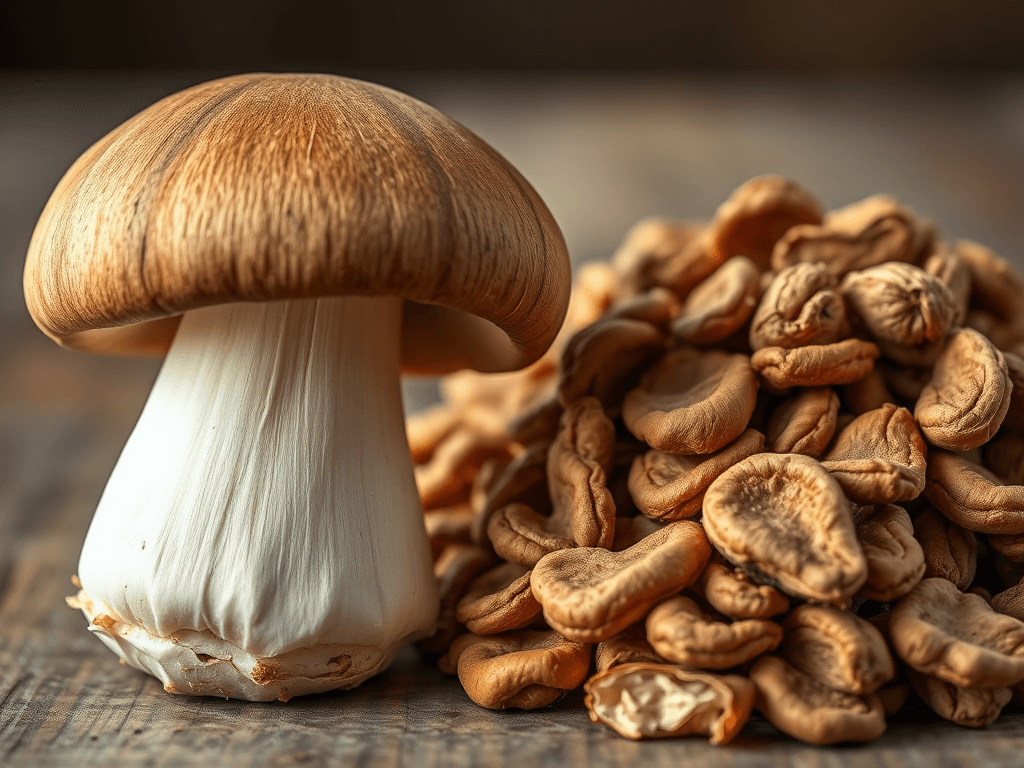
Porcini mushrooms are among the most prized wild mushrooms in the culinary world. Known scientifically as Boletus edulis, these mushrooms are famous for their deep, earthy flavor and firm, meaty texture. They are widely used in Italian, French, and Mediterranean cuisine and are considered a gourmet ingredient by chefs worldwide.
However, beyond their incredible flavor, the debate of Fresh vs. Dried Porcini Mushrooms goes deeper than taste alone. Both forms offer unique advantages in cooking, nutrition, and storage. Understanding the differences between fresh and dried porcini mushrooms can help you choose the best option for your recipes and health goals.
Porcini mushrooms are also rich in essential nutrients such as protein, dietary fiber, antioxidants, vitamins, and minerals, making them an excellent addition to a balanced diet.
According to research from the
https://fdc.nal.usda.gov
by the USDA Food Data Central, edible mushrooms contain important nutrients like potassium, B-vitamins, and antioxidants that support overall health.
In this comprehensive guide, we’ll explore:
- The difference between fresh and dried porcini mushrooms
- Nutritional and health benefits
- Cooking methods and culinary uses
- How to choose high-quality porcini mushrooms
- Storage tips and best practices
By the end of this article, you’ll know exactly which porcini mushroom type works best for your kitchen and health needs.
What Are Porcini Mushrooms?
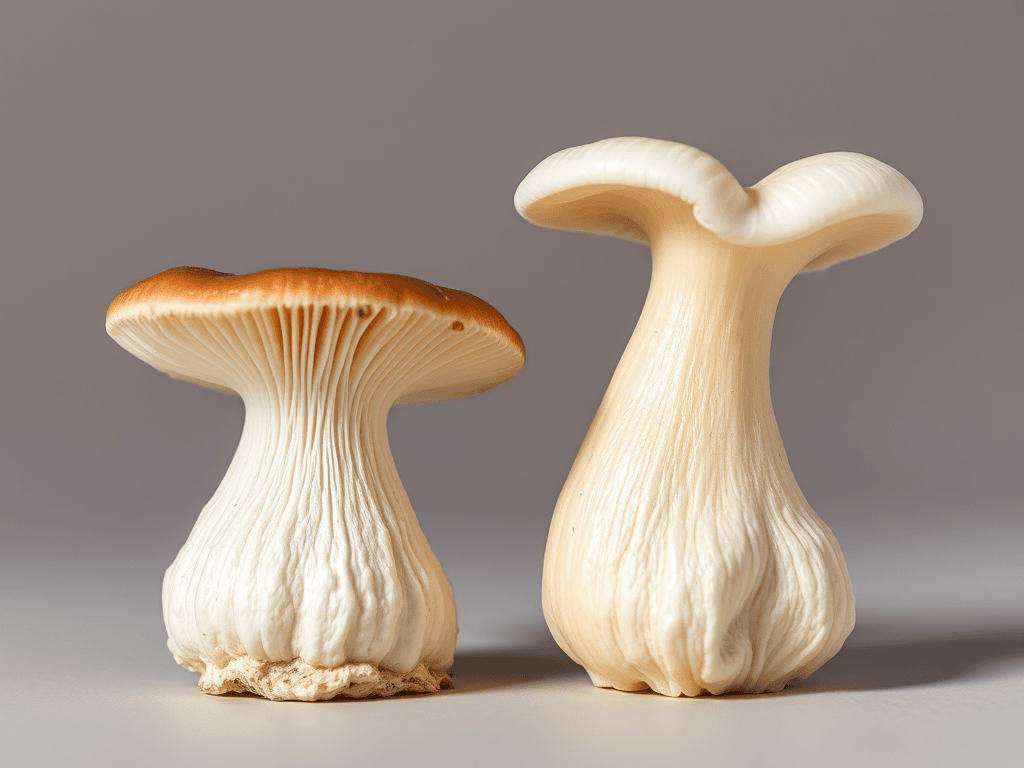
Porcini mushrooms (Boletus edulis) are wild mushrooms commonly found in forests across Europe, North America, and parts of Asia. They grow in symbiosis with trees like pine, oak, spruce, and chestnut.
These mushrooms are easily recognizable by their:
- Thick white stem
- Brown cap
- Spongy underside instead of gills
- Dense, meaty texture
Porcini mushrooms have a rich umami flavor, which is why they are frequently used in risotto, pasta sauces, soups, and gourmet dishes.
The word porcini comes from Italian and means “little pigs,” referencing the mushroom’s plump appearance.
More information about edible mushroom varieties can be found through the
https://www.mycologicalsociety.com
which studies fungi and their nutritional properties.
Porcini Mushroom Nutrition
One of the biggest reasons for the popularity of porPorcini Mushroom Nutritioncini mushrooms is their impressive nutritional profile.
Key Nutrients in Porcini Mushrooms
Porcini mushrooms contain:
- Protein
- Dietary fiber
- B-vitamins
- Potassium
- Iron
- Copper
- Antioxidants
- Beta-glucans
These nutrients help support immune function, metabolism, and heart health.
Nutritional Highlights
Low Calories
Porcini mushrooms are naturally low in calories, making them ideal for people following weight-management diets.
Rich in B Vitamins
They contain important B vitamins such as:
- Riboflavin (B2)
- Niacin (B3)
- Pantothenic acid (B5)
These vitamins help convert food into energy and support brain function.
High Antioxidant Content
Mushrooms contain natural antioxidants that help reduce oxidative stress and inflammation in the body.
Fresh vs. Dried Porcini Mushrooms: What’s the Difference?
When comparing Fresh vs. Dried Porcini Mushrooms, the main differences come down to:
- Flavor intensity
- Shelf life
- Texture
- Cooking methods
- Nutrient concentration
Both options have their own culinary advantages.
Fresh Porcini Mushrooms
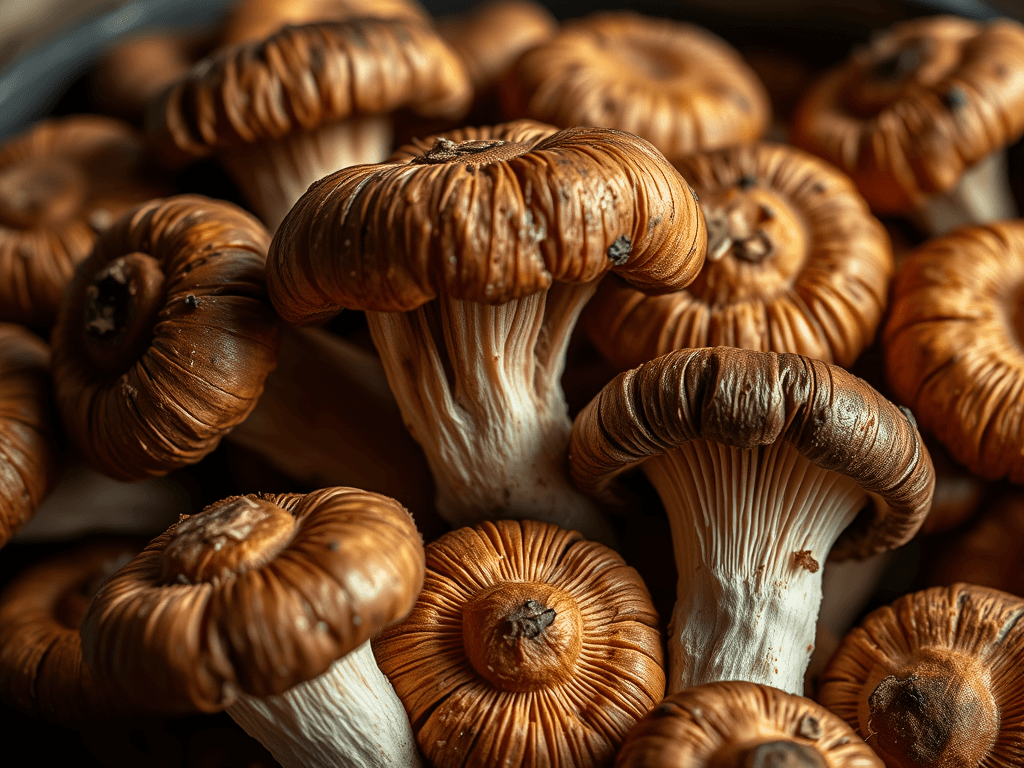
Fresh porcini mushrooms are often considered a seasonal delicacy. They are typically harvested during the late summer and autumn months in forest regions.
Characteristics of Fresh Porcini
Fresh porcini mushrooms are known for their:
- Soft but meaty texture
- Mild earthy flavor
- High moisture content
- Delicate aroma
They are best used in recipes that highlight their natural flavor.
Benefits of Fresh Porcini Mushrooms
1. Natural Texture
Fresh porcini mushrooms maintain their natural firmness when cooked. This makes them perfect for sautéing and grilling.
2. Mild, Balanced Flavor
Compared to dried mushrooms, fresh porcini have a more subtle earthy taste.
3. Hydration and Fresh Nutrients
Because they are not dehydrated, fresh mushrooms retain their natural water content and fresh nutrients.
4. Low Calorie Ingredient
Fresh porcini mushrooms are extremely low in calories but high in flavor, making them excellent for healthy cooking.
Best Dishes for Fresh Porcini Mushrooms
Fresh porcini mushrooms are commonly used in:
- Italian risotto
- Creamy mushroom pasta
- Soups and stews
- Mushroom salads
- Grilled vegetable dishes
They pair particularly well with ingredients such as:
- Olive oil
- Garlic
- Parmesan cheese
- Butter
- Fresh herbs
Dried Porcini Mushrooms
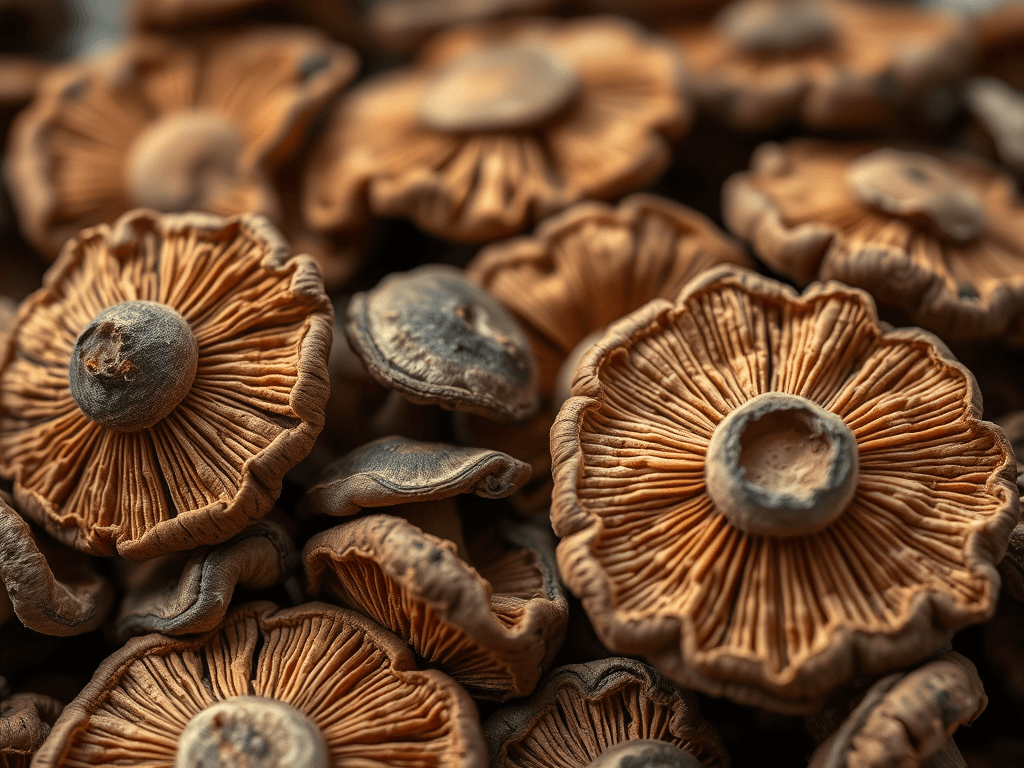
Dried porcini mushrooms are created by carefully dehydrating fresh mushrooms. This process removes moisture and concentrates their flavor.
As a result, dried porcini mushrooms have an intense umami taste that chefs love.
Benefits of Dried Porcini Mushrooms
1. Stronger Flavor
Drying intensifies the mushroom’s natural compounds, giving dried porcini a richer and deeper taste.
2. Long Shelf Life
One of the biggest advantages of dried porcini mushrooms is storage. When kept in an airtight container, they can last up to one year.
3. Nutrient Concentration
Because the water is removed, the nutrients in dried mushrooms become more concentrated.
4. Cooking Versatility
Dried porcini mushrooms can be used in:
- Broths
- Gravies
- Sauces
- Risottos
- Pasta dishes
How to Rehydrate Dried Porcini Mushrooms
Rehydrating dried porcini mushrooms is simple.
Step-by-Step Guide
- Place mushrooms in a bowl
- Add warm water
- Let them soak for 20–30 minutes
- Remove mushrooms and chop if necessary
- Strain the soaking liquid and use it in cooking
The soaking liquid contains intense mushroom flavor and is often used as a natural broth enhancer.
Health Benefits of Porcini Mushrooms
Porcini mushrooms offer several scientifically supported health benefits.
1. Supports Immune Health
Porcini mushrooms contain beta-glucans, compounds known to support immune system activity.
Beta-glucans are also found in other functional mushrooms and are studied for their potential role in immune support.
2. Rich in Antioxidants
Antioxidants found in porcini mushrooms help protect the body from oxidative stress.
Oxidative stress is linked to aging and chronic diseases.
3. Supports Digestive Health
The fiber in porcini mushrooms helps promote healthy digestion and supports beneficial gut bacteria.
4. Promotes Heart Health
Porcini mushrooms are naturally low in sodium and contain potassium, which helps regulate blood pressure and cardiovascular function.
According to research shared by the
https://www.hsph.harvard.edu/nutritionsource/food-features/mushrooms/
mushrooms may contribute to heart-healthy diets due to their nutrient density and low fat content.
How to Cook Porcini Mushrooms
Cooking porcini mushrooms is easy and incredibly rewarding.
Cooking Fresh Porcini Mushrooms
Sautéing
One of the best ways to cook fresh porcini mushrooms is to sauté them in olive oil with garlic.
Risotto
Porcini risotto is one of the most famous Italian dishes using this mushroom.
Soups
Fresh porcini mushrooms add a deep earthy flavor to vegetable or meat-based soups.
Cooking with Dried Porcini Mushrooms
Pasta Sauces
Dried porcini mushrooms are often used to create rich mushroom pasta sauces.
Mushroom Broths
Their soaking liquid can be used as a base for soups and sauces.
Stews
Adding rehydrated porcini mushrooms to stews enhances flavor and complexity.
How to Choose High-Quality Porcini Mushrooms
Selecting good mushrooms ensures better flavor and safety.
Choosing Fresh Porcini Mushrooms
Look for:
- Firm texture
- Smooth brown caps
- Clean white stems
- No slimy surface
Avoid mushrooms that appear overly dark or soft.
Choosing Dried Porcini Mushrooms
High-quality dried porcini mushrooms should have:
- Strong earthy aroma
- Thick slices
- Light brown color
- No excessive crumbs
Good packaging should also keep moisture out.
Storage Tips for Porcini Mushrooms
Fresh Porcini Storage
Store fresh porcini mushrooms:
- In a paper bag
- In the refrigerator
- Use within 3–5 days
Avoid plastic bags, which trap moisture.
Dried Porcini Storage
Dried porcini mushrooms should be kept:
- In airtight containers
- In a cool, dry pantry
- Away from sunlight
Properly stored mushrooms can last up to 12 months.
Frequently Asked Questions
Are dried porcini mushrooms stronger than fresh ones?
Yes. Drying removes moisture and concentrates flavor, making dried porcini mushrooms much more intense in taste.
Can dried porcini replace fresh porcini in recipes?
Yes. Simply rehydrate them before use. Many chefs even prefer dried porcini for sauces and broths.
Are porcini mushrooms healthy?
Yes. Porcini mushrooms are rich in antioxidants, vitamins, minerals, and dietary fiber, making them a nutritious food choice.
Are porcini mushrooms good for weight loss?
Because they are low in calories and high in fiber, porcini mushrooms can help support healthy weight management.
Final Thoughts: Fresh vs. Dried Porcini Mushrooms
When comparing Fresh vs. Dried Porcini Mushrooms, the best choice depends on how you plan to use them.
Fresh porcini mushrooms offer a delicate flavor and tender texture, making them ideal for light dishes like risotto and sautéed vegetables.
Dried porcini mushrooms, on the other hand, deliver a stronger flavor, longer shelf life, and incredible versatility in sauces, soups, and broths.
Both versions provide excellent nutrition and impressive health benefits.
Adding porcini mushrooms to your meals not only enhances flavor but also supports a healthier diet with valuable vitamins, antioxidants, and minerals.
Leave a comment